The Forests We Inherited
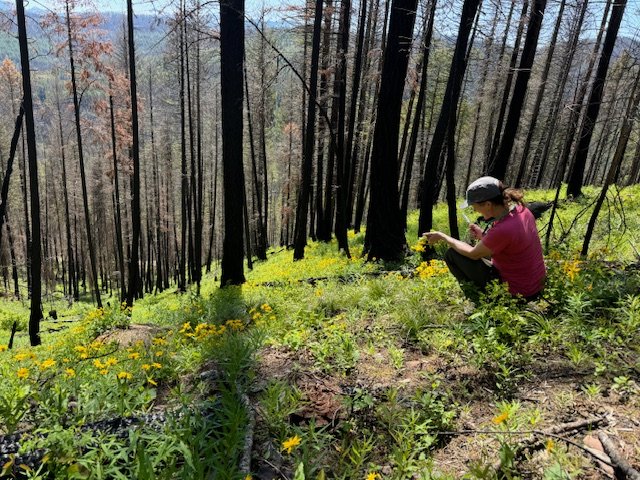
Spend enough time working in the woods and you start to realize something:
The forest doesn’t care about our politics.
It doesn’t care about our opinions.
It responds to what we do—and what we don’t do.
Every week, our crews at Northern Rockies Trail Project work across the Idaho Panhandle. We clear trails, rebuild drainage, remove hazard trees, restore access, and spend countless hours walking through forests that tell a story far older than any of us.
And the story those forests tell is complicated.
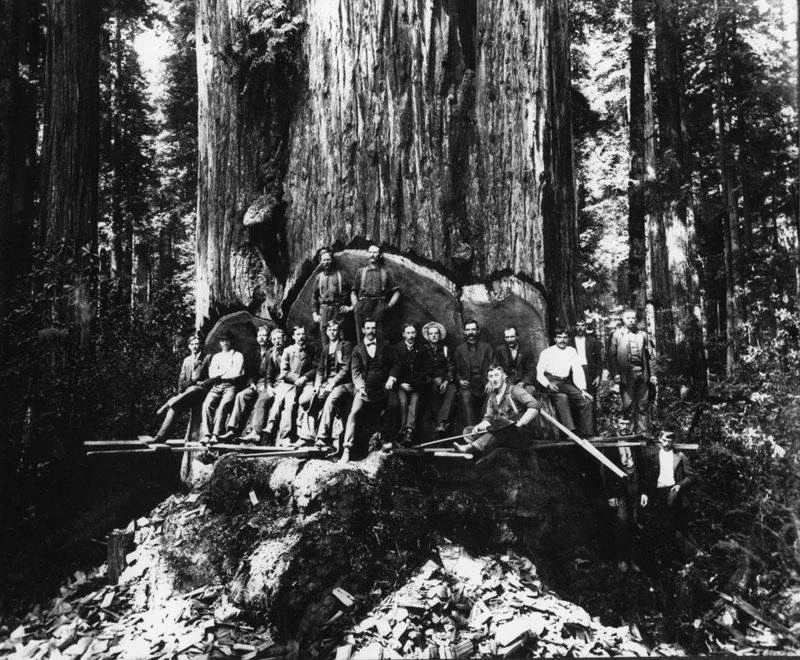
The forests we see today are not untouched wilderness. They are landscapes shaped by fire, logging, suppression, restoration, recreation, wildlife management, and a century of decisions—both good and bad.
Many of the people we employ spent decades working for the Forest Service. Some know these hillsides so well they can tell you where an old trail used to run before it disappeared back into the timber. They remember fires, harvest units, restoration projects, and watersheds long before many of us were born.
When you spend time with people like that, you gain a healthy respect for history.
One thing they all seem to agree on is this:
These forests have never been static.
The massive fires that shaped North Idaho happened long before today’s debates about climate change. The Big Burn of 1910 transformed entire landscapes. The Sundance Fire and Trapper Peak Fire tore through tens of thousands of acres decades later. Fire has always been part of this place.
What’s changed is the amount of fuel sitting on the landscape.
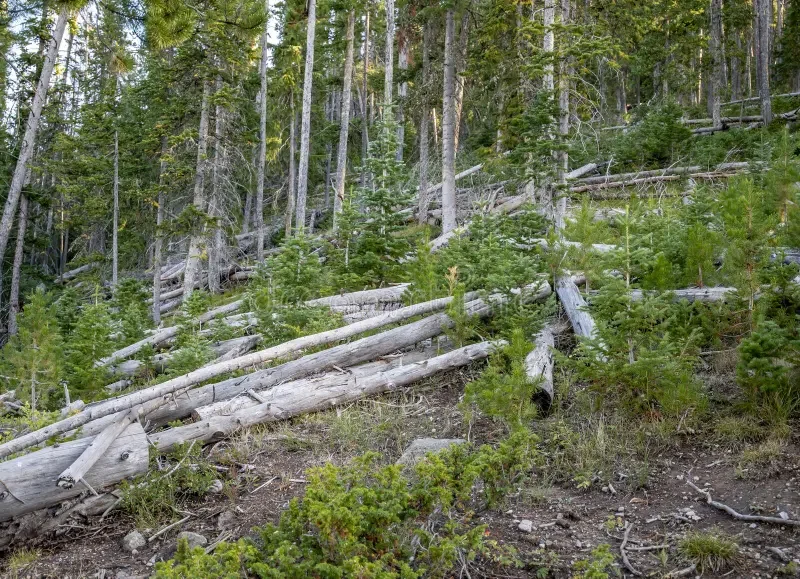
For decades, we became very good at putting fires out.
We became much less effective at removing the vegetation that historically would have burned, been harvested, or otherwise cycled through the system.
The result is visible almost everywhere you look.
Dense stands. Heavy fuel loads. Forests stressed by insects, disease, drought, and competition. Watersheds increasingly vulnerable to large, severe wildfire.
That doesn’t mean every acre should be logged.
It doesn’t mean every road should be reopened.
And it certainly doesn’t mean every environmental protection was a mistake.
But it does mean we need to have honest conversations about what happens when management capacity declines while forests continue to grow.
Trees don’t stop growing because budgets shrink.
Fuel doesn’t disappear because projects get delayed.
The forest keeps changing whether we act or not.
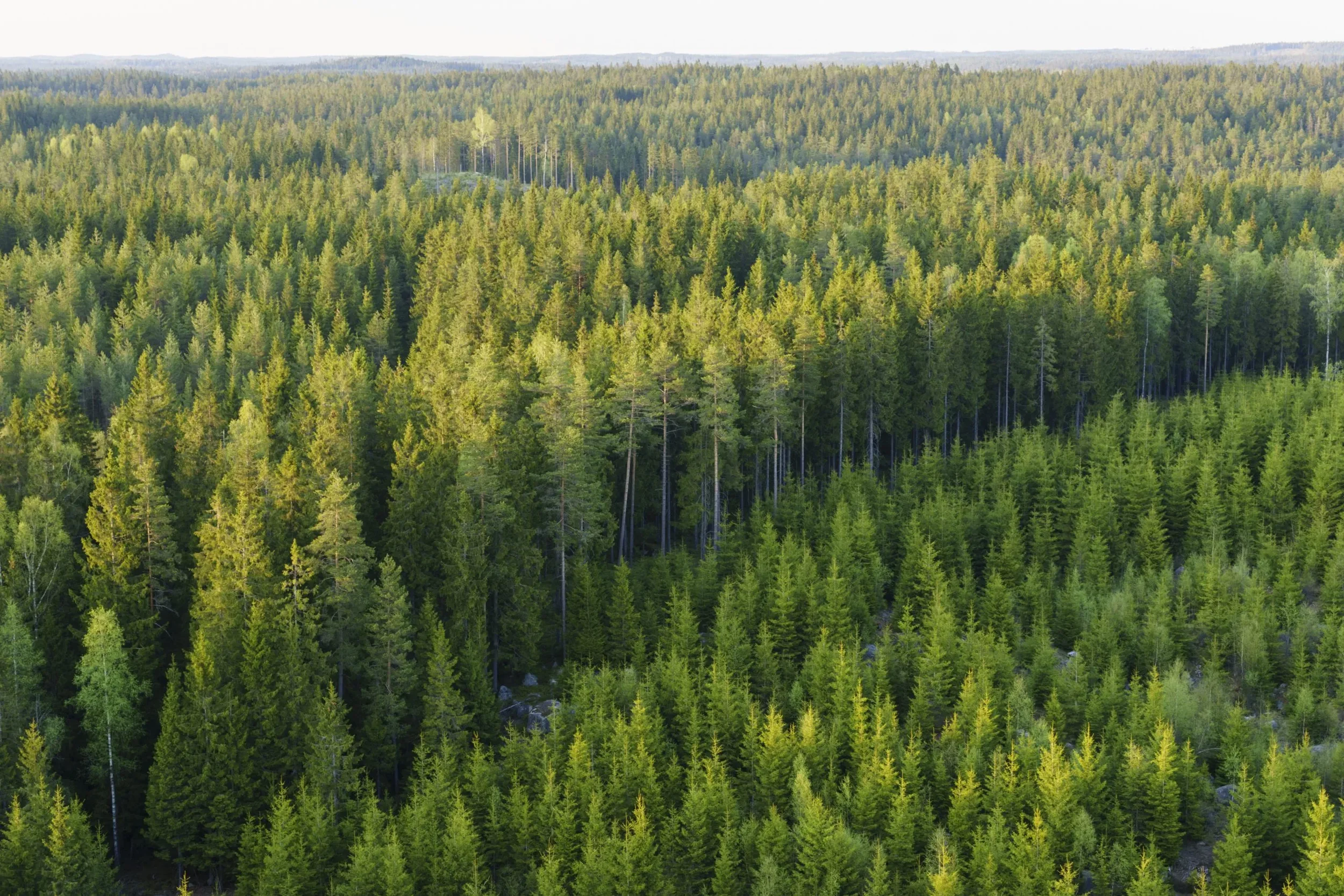
One of the biggest misconceptions in natural resource management is the idea that doing nothing is somehow a neutral decision.
It isn’t.
Doing nothing is a decision.
And like every management decision, it comes with consequences.
Sometimes those consequences arrive in the form of a catastrophic wildfire.
Sometimes they show up as declining forest health.
Sometimes they arrive after a storm, an insect outbreak, or a watershed event that costs far more to repair than it would have cost to prevent.
The lesson I’ve learned from working alongside land managers, contractors, volunteers, and community members is that resilience doesn’t happen by accident.
Healthy forests require active stewardship.
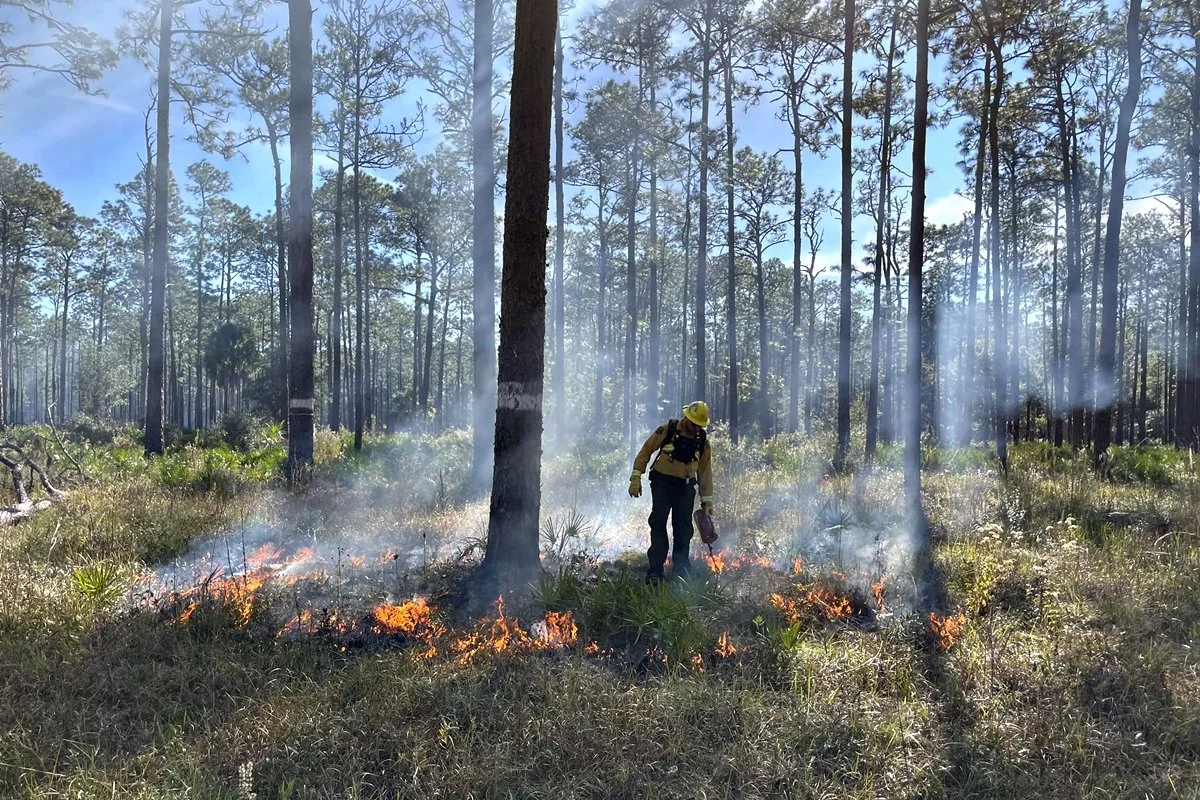
That stewardship can look like prescribed fire.
It can look like mechanical thinning.
It can look like restoration harvests.
It can look like trail crews maintaining access and reducing impacts.
Most often, it looks like people rolling up their sleeves and doing the work.
What gives me hope is that despite all the challenges facing public lands, there are still countless people willing to do exactly that.
Agency staff.
Former agency staff.
Contractors.
Volunteers.
Conservation groups.
Local governments.
Community members.
People who care deeply about these places and want to leave them better than they found them.
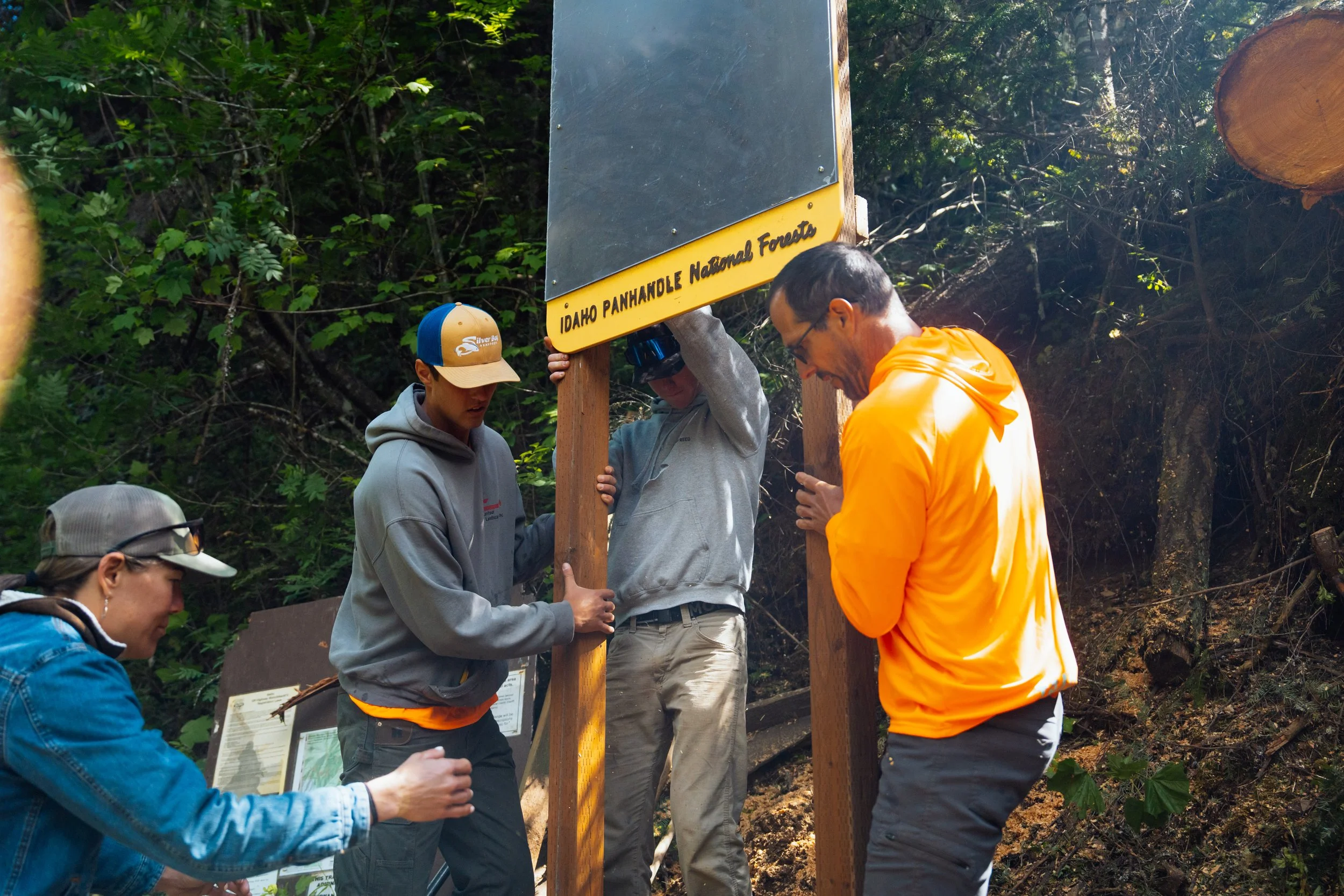
At Northern Rockies Trail Project, we’re fortunate to work alongside many of those people every day.
The future of our forests won’t be decided by social media arguments or political talking points.
It will be decided by what happens on the ground.
By whether we invest in stewardship.
By whether we pass knowledge from one generation to the next.
By whether we choose action over complacency.
The forests we inherited were shaped by those who came before us.
The forests we leave behind will be shaped by the choices we make today.
That’s a responsibility worth taking seriously.
