The Knowledge We Can’t Afford to Lose
One of the things I’m most proud of this year has nothing to do with miles of trail built, logs removed, grants secured, or volunteer hours.
It’s the people.
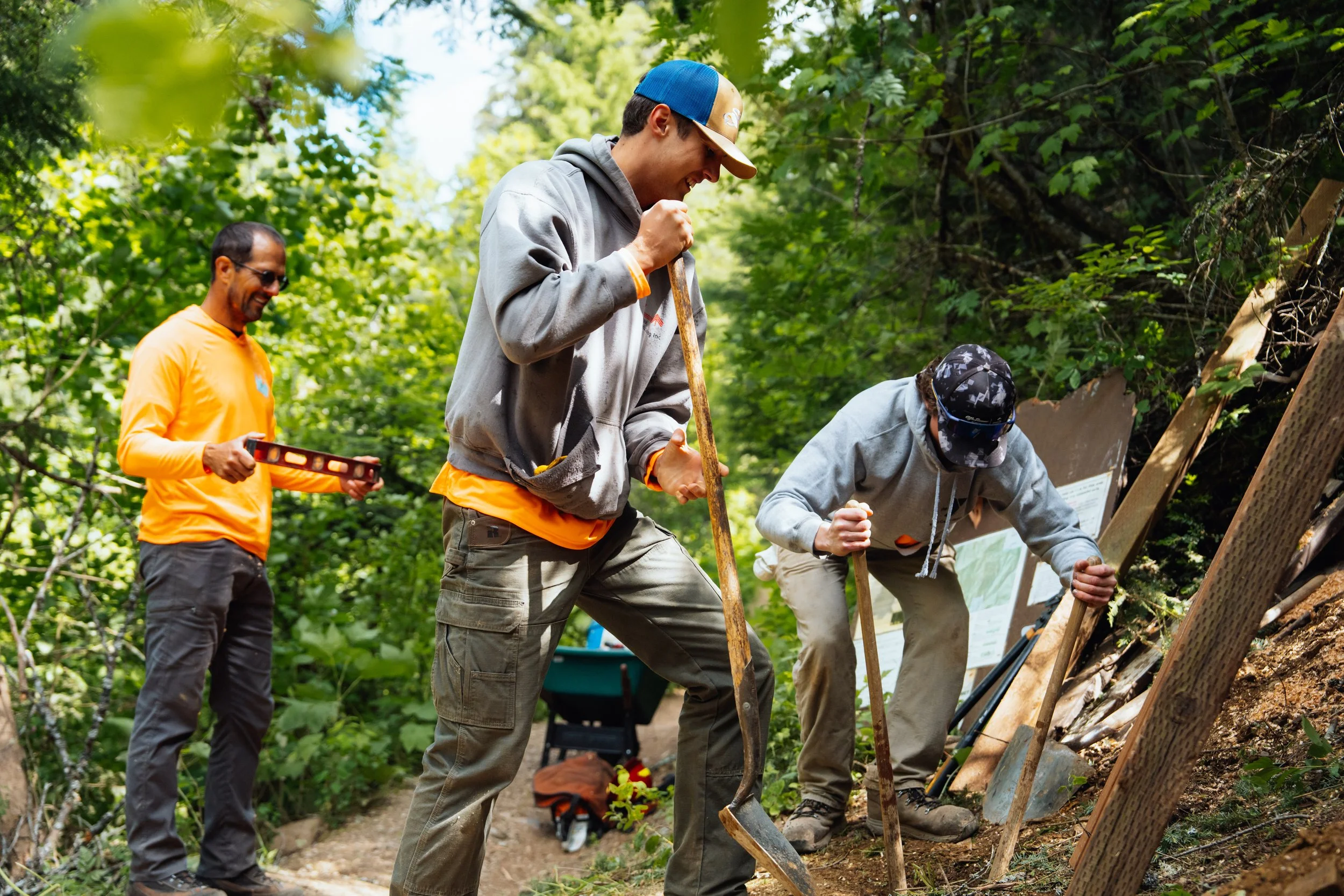
This season, Northern Rockies Trail Project has had the privilege of employing nearly 20 people to care for public lands across North Idaho.
That number matters.
But who those people are matters even more.
Several members of our team spent years—some of them decades—working for the U.S.
Forest Service before budget cuts, restructuring, and staffing changes left them looking for what came next. These aren’t people who simply worked in the woods. These are people who dedicated their careers to these landscapes.
People who know where the old trails disappear into the timber.
People who remember fires that happened before many of our younger crew members were born.
People who can look at a hillside and tell you why a trail was built where it was, where the drainage problems will show up, and what mistakes not to repeat.
Some of these folks have been caring for these forests for nearly as long as some of us have been alive.
You can’t replace that kind of knowledge with a manual.
You can’t download it from the internet.
You earn it one season, one storm, one project at a time.
For me, one of the greatest honors of this work is creating opportunities for that knowledge to be passed on rather than lost.
Every day, I watch seasoned professionals share what they know with younger crew members just beginning their careers. I watch conversations happen across generations as techniques, stories, lessons, and hard-earned wisdom are handed down in the field.
Sometimes it looks like teaching someone how to sharpen a chainsaw.
Sometimes it’s explaining why a drainage structure failed.
Sometimes it’s simply knowing where to start when everyone else is standing around wondering what to do next.
The mentorship happens constantly.
And it’s invaluable.
The future of public lands isn’t just about funding. It isn’t just about equipment, infrastructure, or policy.
It’s about people.
It’s about making sure the next generation learns from the generation that came before them.
It’s about preserving not only the trails, roads, and recreation opportunities we all enjoy, but also the knowledge required to care for them.
Too often, conversations about public lands focus on what we’ve lost.
Staffing.
Budgets.
Capacity.
Those challenges are real.
But what gives me hope is watching experienced land stewards continue to show up because they care deeply about these places and want to see the work continue long after they’re gone.
They could have walked away.
Instead, they chose to invest in the next generation.
And that investment is showing up every day on our trails, in our forests, and in the young people learning from some of the best mentors they could ask for.
When people talk about stewardship, they often picture trails, bridges, signs, or trailheads.
I picture people.
Because at the end of the day, every mile of trail, every restored landscape, and every successful project begins with someone willing to share what they know.
We often say that trails don’t take care of themselves.
Neither does the knowledge required to maintain them.
That gets passed down person to person.
And watching that happen may be the most important work we’re doing.